

Cricket is a game of tiny margins and it is very frustrating for a bowler to give away an extra run by bowling a no ball. It is not a mere extra run to the batting side but it may also change the course of the game particularly in limited-overs matches when a free hit is awarded after. Knowledge of no ball in cricket makes players, fans, and even umpires realize the importance of perfection in the game.
What is a No Ball ?
A no ball refers to an unlawful delivery by the bowler under the Laws of Cricket of no ball cricket rules. An award of one run (or more, in case they make the run on that ball) is given to the batting side when a no ball is called, and that ball is not counted as one of the six fair balls in the over. After a no ball in limited-overs cricket, the batsman is given a free hit, i.e. he or she cannot be dismissed other than by a run-out.
Types of No Ball
Front Foot No Ball
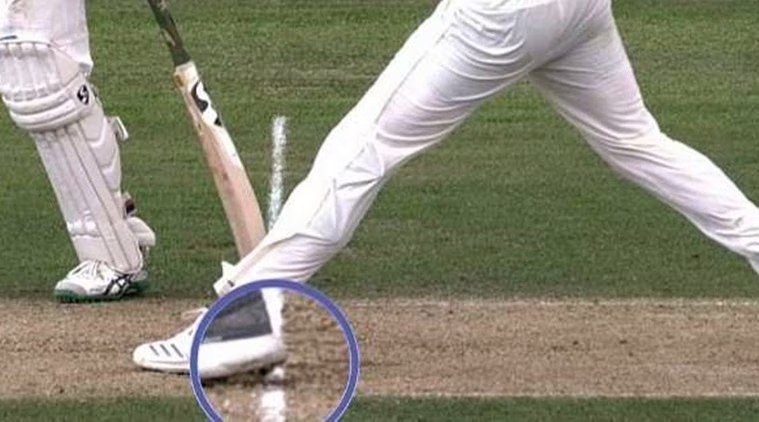
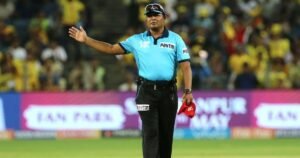
The front foot no ball is the most widespread type of no ball. The rules state that the front foot of the bowler should be behind the popping crease when the ball is delivered. In case the front foot of a bowler touches the ground with the slightest fraction above the line, the umpire signals a no ball. The third umpire tends to verify and confirm front foot no balls during international matches.
No Ball for Chucking
The ther significant regulation is related to the legality of the bowling action. In case a bowler is proved to straighten his arm more than the allowed 15 degrees when projecting the ball, it is known as chucking causing the ball to be called a no ball. This keeps the game balanced and maintains fair play.
No Ball for High Full Toss
A no ball for high full toss is given when the delivery reaches the batsman on the full(without bouncing) above the waist height.This is regarded as a dangerous and unfair kind of delivery.
Other Types of No ball
Other situations that fall under no ball include : cases where a bowler is bowling underarm without prior agreement, when the fielders illegally encroach or the wicketkeeper unreasonably moves before the ball is bowled.
Conclusion
The varieties of no ball in cricket, whether it’s a front foot no ball or a no ball for chucking each rule acts as a protection which keeps the integrity and safety of the sport intact. To avoid losing these expensive extras every bowler must learn how to control himself as a single no ball can alter the destiny of the match!
FAQs
Q: How many types of no-balls are there in cricket?
A: There are 15+ different ways a delivery can be called a no-ball under the Laws.
Q: What are the 4 types of spin bowling?
A: Off-spin, leg-spin, left-arm orthodox and left-arm unorthodox (Chinaman).
Q: What is P1, P2, and P3 in cricket?
A: They are ODI Powerplay phases — P1 (overs 1–10), P2 (overs 11–40), P3 (overs 41–50).
Q: What is the 2 new balls rule?
A: In ODIs, two new balls are used from overs 1–34, then the fielding side picks one to use till the end of the innings.