ICC considers imposing sanctions on Pakistan over India boycott: What it means for T20 world cup 2026?
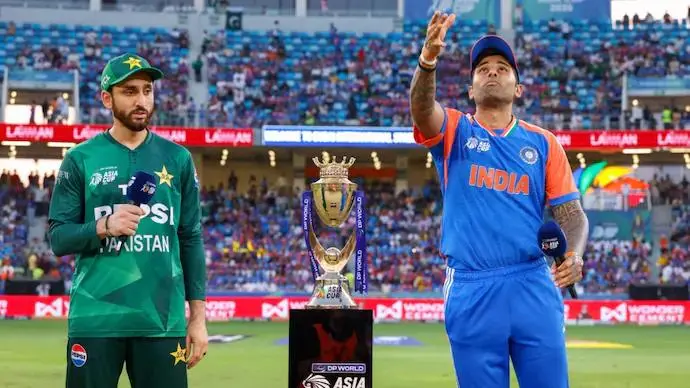
T20 World Cup 2026 has suddenly become a governing crisis following the news that Pakistan might not play it’s scheduled match against India. This has brought up heated debates within the International Cricket Council (ICC), with the response of the cricket governing body to the Pakistan boycott now under global scrutiny.
The central issue in the controversy is the alleged stance taken by the Pakistan Cricket Board (PCB) of selectively boycotting the India fixture, which many think jeopardizes the sporting balance and commercial stability of the tournament.
Why has this boycott sparked alarms?
India-Pakistan confrontation is not just another group stage match. It is considered to be one of the most viewed matches in world cricket that drives broadcasting revenues, sponsorship interest, and fan involvement. Unilateral boycott interferes with schedules, impacts broadcasters and compromises tournament integrity.
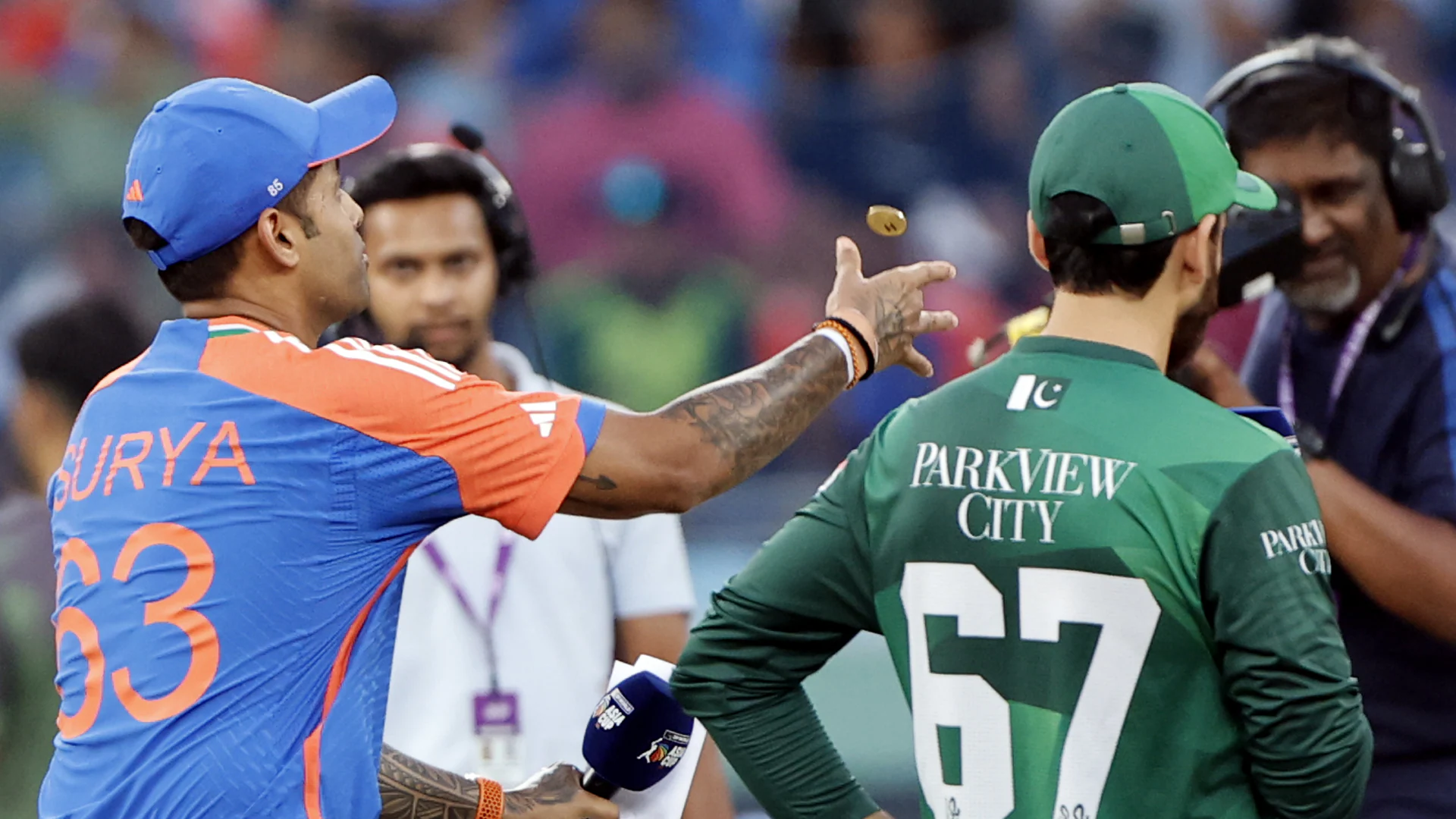
Reports have indicated that the ICC is concerned about permitting a selective boycott as it would set a bad precedent- where sporting commitments will be sacrificed due to political factors. That is why the potential ICC sanctions for the T20 World Cup 2026 are currently under strict and serious discussions.
Possible ICC Sanctions T20 World Cup 2026: What is on the Table?
Although no verdict has been given, several reports indicate that the ICC is considering stiff disciplinary actions in case PCB fails to reverse it’s stance.
Possible Sanctions Under Discussion.
|
Type of Action |
Description |
Possible Impact |
|
Financial Penalties |
Withholding ICC revenue share |
Major strain on PCB finances |
|
Tournament Sanctions |
Suspension from ICC events |
Loss of international exposure |
|
League Restrictions |
Denial of NOCs for overseas leagues |
PSL competitiveness affected |
|
Governance Measures |
Temporary suspension of membership |
Loss of voting rights |
Such consequences of a boycott by the Pakistan Cricket Board would change its image in international cricket should it take effect.
ICC’s dilemma : Rules Vs Relations.
The ICC now faces a dilemma, on one hand, it must implement it’s rules to safeguard the credibility of the tournament. On the other hand, it should not strain the relations and build up tensions that might irreversibly harm bilateral and multilateral cricket relations.
Backchannel talks are reportedly going on and this means that diplomacy is still the preferred solution. Nevertheless, the ICC has traditionally been very tough in situations where member boards do not fulfill their participation obligations.
Pakistan Boycott India Match Implications for International Cricket
Apart from immediate sanctions, the bigger implications of this boycott are regarding governance. If selective participation is condoned, then there is a possibility of future tournaments being affected in the same way. This episode might define how rigidly ICC imposes neutrality and participation.
Conclusion
The ICC considers sanctions on Pakistan because of the India boycott not just as punishment but also as a declaration of responsibility in world cricket. As the T20 world cup 2026 draws nearer, the next few days will be decisive. Either compromise will prevail or this event will be characterized by one of the most strict disciplinary measures ever in the history of cricket.
FAQs
Q: What happens if Pakistan boycotts the India match?
A: The match is awarded to India as a walkover (2 points); Pakistan receives 0 points, a severe Net Run Rate penalty, and likely financial sanctions from the ICC.
Q: Will Pakistan go to India for the T20 World Cup 2026?
A: No, Pakistan was never scheduled to travel to India. All their matches are being held in Sri Lanka (Colombo) as part of the co-hosting arrangement.
Q: What does Pakistan need to qualify for the semi-final?
A: They must finish in the top two of their group (Group A) to reach the Super 8s first. To do this after forfeiting the India game, they likely need to win all three remaining matches.
Q: Who will replace Pakistan in the T20 World Cup?
A: If Pakistan withdraws from the entire tournament, Uganda will replace them. If they only boycott the single match against India, it is simply recorded as a forfeit.